




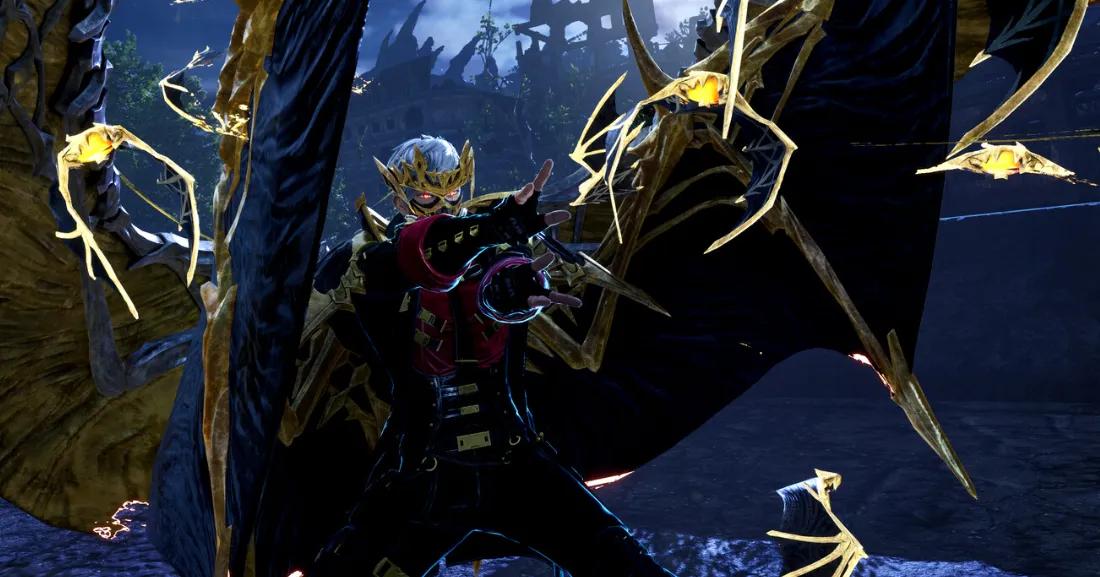
Code Vein 2 misslyckas i sitt försök att utveckla formeln










 Review
 Spel
Spel Steam
SteamThe sequel to the 2019 anime-style soulslike has arrived, but this Code Vien 2 review finds the follow-up struggling to make a definitive mark. Bandai Namco’s second attempt at the concept, Code Vein 2, presents an ambitious time-traveling, open-world narrative that initially shows promise. The core idea held enough intrigue to carry a playthrough of its main quest and all side content, a process that took approximately fifty hours to complete. That extended time with the game, however, was marked by a significant number of highs and lows, revealing a title with an inconsistent quality across its various components.
While the premise is compelling, the execution of its open-world design and the fluctuating quality of its gameplay mechanics prevent the sequel from meaningfully improving upon the original. It ultimately has trouble standing out in a genre that has become increasingly populated with high-quality experiences. The result is a game that feels stuck, unable to step up and carve out a unique identity for itself.
The player character is tasked with repairing a post-apocalyptic present by journeying into the past to alter the outcomes of key historical events. This narrative structure is supported by an open world that undergoes subtle transformations between the different timelines, which effectively creates a sense of place and reinforces the impact of the player's actions. An early moment powerfully demonstrates this potential. After completing the prologue, looking out from a tower on the starting island of Magmell reveals the landscape itself physically changing, a strong visual cue that suggests a dynamic journey ahead. The player is then directed to travel back in time to aid three historical heroes in their respective regions, intervening in the past conflicts that led to the present day’s ruin.
The game’s method of storytelling, however, often undermines its own narrative ambitions. Crucial moments for major characters are frequently presented in what are described as barren, dream-like visions. During these sequences, vague dialogue is overlaid while the player character stands idle, waiting for the next set of static character models to appear on screen. This approach makes it difficult to get a clear understanding of the events unfolding or to feel the intended emotional weight of the situations being portrayed. The writing in other dialogue sequences is often generic, lacking the personality needed to foster a deep connection to the world and its ongoing struggles. There are rare moments where the game’s potential for cinematic storytelling shines through, particularly in the fully animated cutscenes that precede certain battles. These sequences are effective at building hype and excitement, but the momentum they generate fades as quickly as it begins, reflecting a broader inconsistency that plagues many aspects of the game.
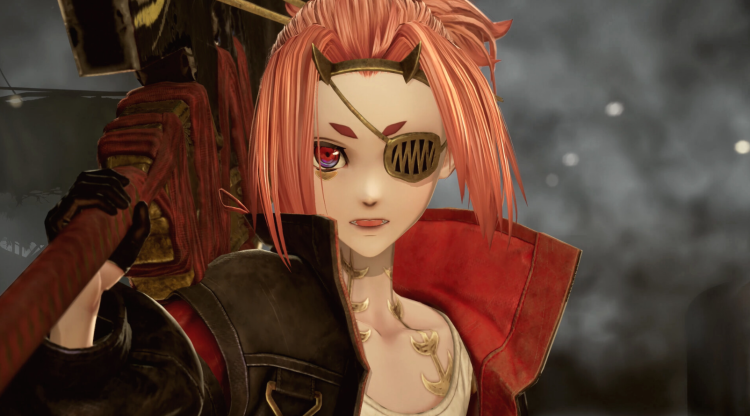
A few of the main characters do manage to leave a positive impression. Lou, a frail girl who possesses the time-traveling power, acts as an extension of the silent protagonist and effectively conveys a sense of sorrow. The three historical heroes have fitting backstories and are enjoyable to team up with. Holly, a gifted doctor placed in tragic circumstances, stands out in particular because her story arc represents one of the few times the game strikes a genuinely emotional chord. Despite these individual bright spots, the broader narrative struggles to make the conflict between revenants and humans feel meaningful. The plot threads that explore the dynamics leading to the world's state of conflict and the origins of the monsters that roam the land are shallow and underdeveloped in their delivery. Consequently, the game’s conclusion feels underwhelming, failing to land its emotional beats because the investment in the world and its characters was not fully earned.
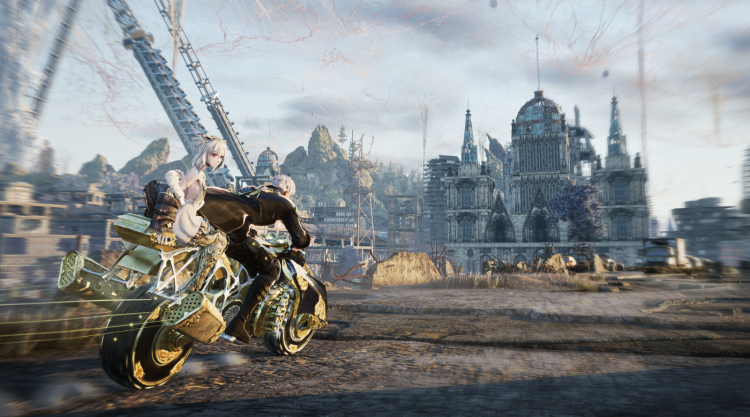
The open world does succeed in its role as a narrative device. Visiting a location in the past and seeing people struggling to survive, only to return to that same spot in the present and find it dilapidated, creates a powerful sense of loss and history. The transformation of the Undead Forest from a place of lush greenery to a cold, barren wasteland is one of the most stark and visually effective examples of this contrast, illustrating the lifelessness of the present day. Navigating this world, however, can be a frustrating experience. The player is given a motorbike for travel, but it controls like a flimsy remote-control car. Its wings can be deployed to glide through the air, but progress is often halted by invisible walls that block entry to areas of the map that appear accessible. These areas must be entered from specific, prescribed points. Furthermore, certain falls from heights that do not seem particularly dangerous result in an automatic death. While these may seem like minor issues on their own, they accumulate and contribute to a feeling that the game is unpolished and sloppy in its construction.
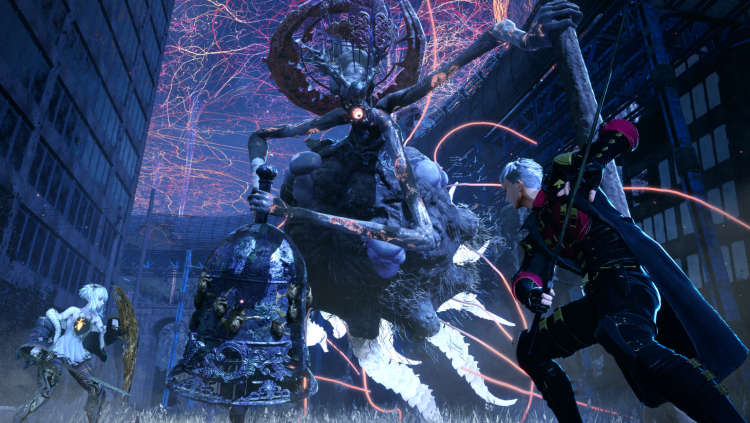
The game’s visuals are a mix of impressive scale and disappointing detail. Some of the vistas are striking from a distance, but a closer inspection reveals muddy textures that detract from the overall presentation. This issue is particularly jarring during cutscenes, where textures constantly load in and out with every change of camera angle. Even when running on a PlayStation 5 Pro with the performance priority mode enabled, the frame rate fluctuates wildly. These performance drops often occur even when there is not a lot of action happening on screen, suggesting optimization issues. Exploration itself offers little in the way of mystery or intrinsic reward. Once the player learns to identify certain landmarks, they can find critical upgrades for their healing item, materials for weapon upgrades, and persistent regional stat buffs. While exploration does yield tangible benefits, it lacks the sense of discovery found in other genre titles. Players should not expect to stumble upon interesting dungeons, unique bosses, or intriguing side paths that spark curiosity. On a positive note, the open world is relatively trim and not padded with an excessive number of checklist objectives, and important side quests are clearly marked in the quest log.
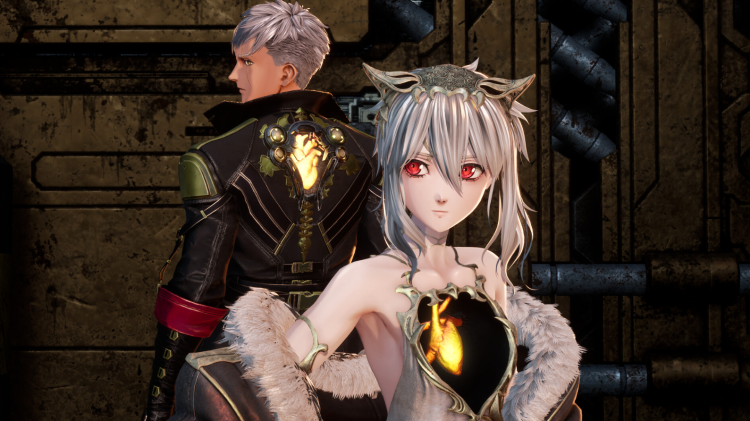
The quality of Code Vein 2’s combat is as inconsistent as its story and open-world elements. It adheres to the core design principles of the Souls-style genre, featuring experience points and currency that are lost upon death and must be recovered, enemies that respawn at save points, and punishing, deliberately paced combat. There are moments where the combat system clicks, approaching the satisfying highs offered by other games in the genre. However, these moments are often overshadowed by frustrating encounters that highlight the game’s most significant faults.
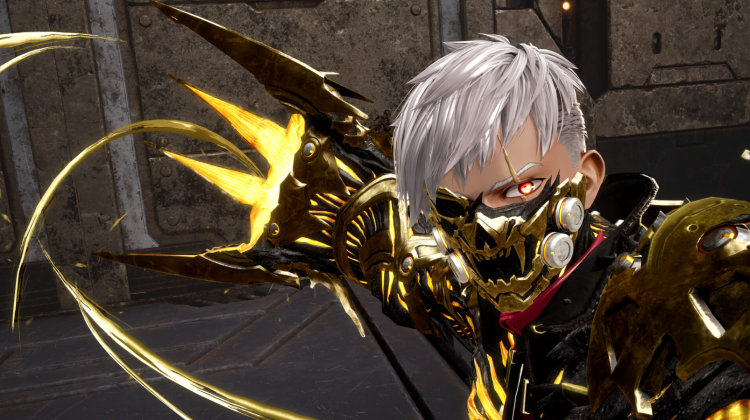
This failure to adhere to the principle of "tough-but-fair" stems from several issues. The game at times seems to not play by its own established rules. For example, a player can be hit while recovering from a previous attack because the window of invincibility is a few frames shorter than the animation itself, leading to deaths that feel cheap and unfair. A damage-over-time attack might inexplicably stop working if the player gets hit, even after the ability has been fully deployed. The in-game camera often struggles to keep up, especially when the player is pushed into a corner by a boss that is ten times their size. Furthermore, some hitboxes do not seem to accurately represent the space a character model occupies on screen. While it is possible to overcome these challenges by adjusting one’s approach, the process can be dejecting because it feels as though the game is betraying the very design tenets that have made its contemporaries so highly regarded.
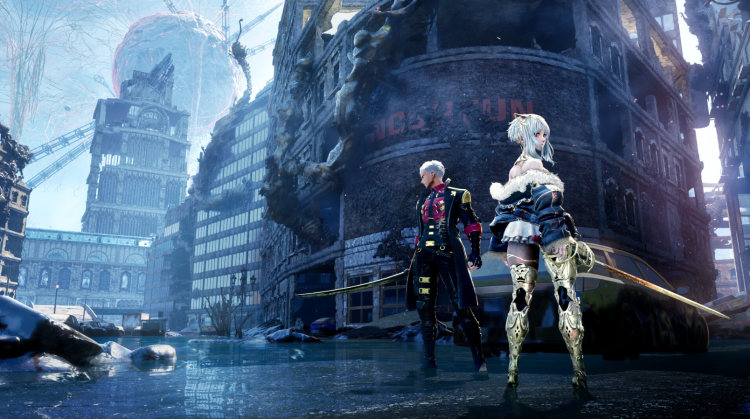
The game’s RPG systems, while seemingly convoluted at first, are much simpler than they appear. Instead of a traditional system of allocating points into stats, character builds are dictated by Blood Codes. These equippable items, each offered by an important character encountered in the story, function as a way to respec at any time. They provide an emphasis on certain stats, which in turn modifies the effectiveness of the weapons and gear being used. This system prevents the player from being locked into a specific build, though the progression path of Blood Codes, which level up with use, can initially feel like it is pigeon-holing the player. With some experimentation, it becomes clear which codes work best with preferred weapon types, and leveling up a new code does not take an prohibitive amount of time.
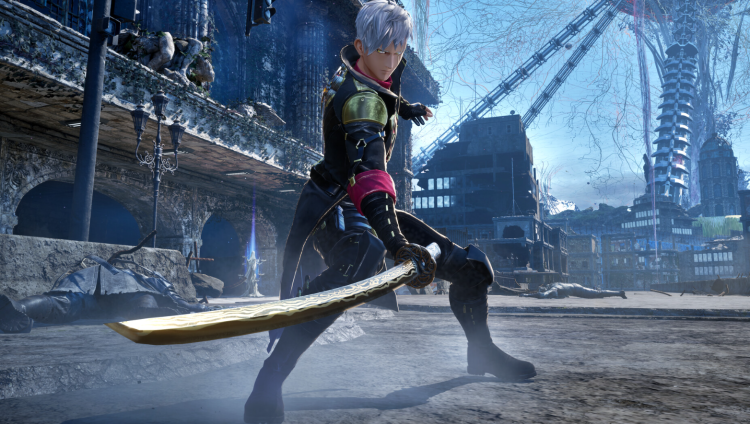
A variety of tools are available to assist the player in combat. For most of the journey, one of the story characters can be summoned to join in battle. This is particularly effective for tougher fights, as the companion can draw enemy aggression, creating openings for the player to heal or land a significant hit. It is also possible to fuse with these companions for noticeable buffs, though this comes at the cost of fighting solo. Companions will also temporarily sacrifice themselves to revive the player upon death, a mechanic that can alleviate some of the frustration from unfair deaths. Ichor serves as the game’s mana, allowing the use of spells and abilities that are necessary for a diverse combat approach. The system by which Ichor is replenished, which involves using a superweapon called a Jail, encourages players to cycle through all of their available skills during difficult encounters, rather than relying on a single tactic. Once a comfortable setup is found, with alternatives ready for different types of fights, the game’s unique blend of RPG mechanics and action combat finds a comfortable groove.
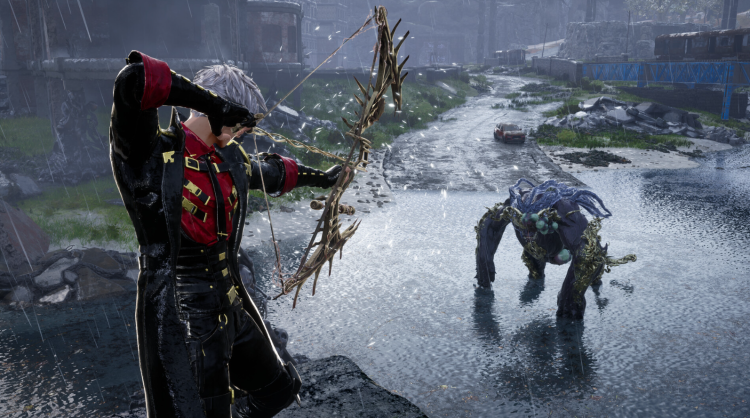
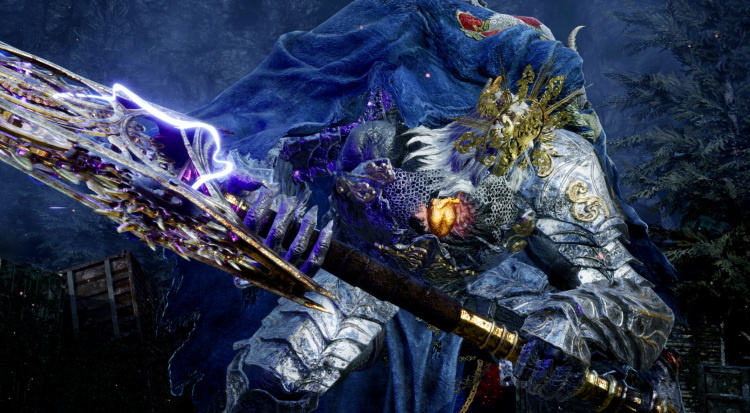
The primary issue is not the foundation of the combat itself, but the lack of interesting opportunities to fully utilize its systems. The dungeons found throughout the world become woefully repetitive, and the standard enemies are often a cakewalk. While carelessness will be punished, the imbalance is starkly felt during long stretches spent mindlessly mowing through the same fodder enemies. The game also relies heavily on repeating bosses, which often feels like an artificial way to increase difficulty. After a certain point, even these enhanced repeat encounters can be conquered with ease. There are some exceptions, particularly in the critical sidequests, where harder versions of previous bosses appear with remixed attack patterns and demanding new phases.
These fights provide some of the game's best moments. However, by the time the final dungeon is reached, it is clear that the game has re-used its best ideas too many times, a final reminder of how the campaign lacks enough unique tricks to sustain engagement in a consistently compelling way. The most impressive parts of the game are often found in its side quests, particularly those that involve shifting the timeline. These quests explore more interesting aspects of the lore, take more narrative risks, and allow the characters to shine a bit brighter, sharing bittersweet moments with the player. They break away from the predictable cadence of the main story, and one is left wishing that the entire game had embraced that same level of invention.


 Det har lyckligt kopierats... Tack för att du delar vårt innehåll!:



5% insättningsbonus upp till 100 ädelstenar

0% avgifter på insättningar och uttag.





11% insättningsbonus + FreeSpin


EXTRA 10% INSÄTTNINGSBONUS + GRATIS 2 HJULSPINN

Gratis case och 100% välkomstbonus


5 gratisfodral, daglig gratis & bonus

3 gratis casinos och en bonus på 5% på alla kontantinsättningar.

+5% till insättning




Kommentarer