



Forskare bekräftar förekomsten av "depression efter matcher"










Scientists have officially confirmed the existence of what many gamers have felt for years - post-game depression, a feeling of sadness, emptiness, or emotionalburnout after finishing a video game, especially a long story-driven one.
Researchers say this feeling is strongest among players who spend dozens or even hundreds of hours in RPG and open-world games. In these games, players don’t just complete missions - they build relationships with characters, explore huge worlds, and become emotionally invested in the story. When the game ends, it can feel like saying goodbye to a world you lived in for weeks or months.
To study this phenomenon, researchers even introduced a special scale called P-GDS (Post-Game Depression Scale), which could potentially be used in psychology to measure emotional attachment to video games and the feelings players experience after completing them.
Why RPG and Open-World Games Cause This Feeling
Post-game depression is most common in RPGs and open-world games because they are long, immersive, and story-focused. Players make choices, follow character arcs, and explore detailed worlds, which creates a strong emotional connection.
This often happens after finishing games like:
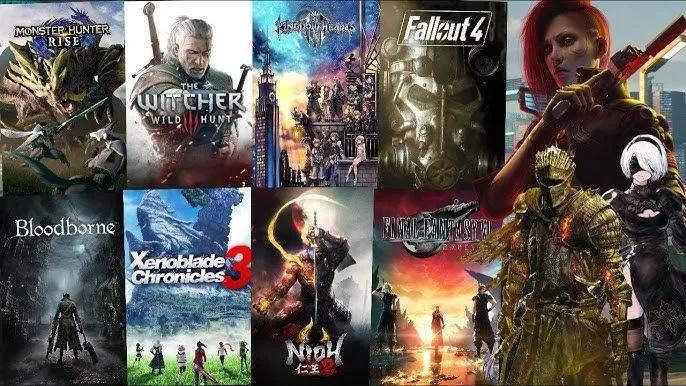
- The Witcher 3: Wild Hunt
- Red Dead Redemption 2
- Mass Effect 3
- Cyberpunk 2077
- SkyrimBaldur's Gate 3
- Elden Ring
Many players say they feel empty after finishing these games because the journey, characters, music, and world become part of their daily life for a long time.
“I’m Not Depressed” - Then Replay The Same Game Again
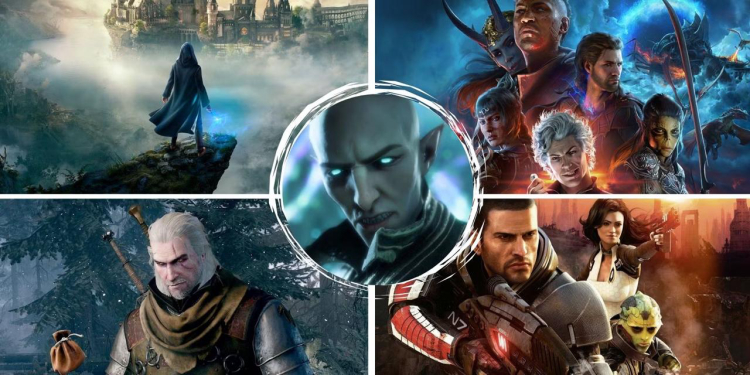
It often starts the same way: players say they don’t have post-game depression, but then they replay the same game again, load old saves, watch cutscenes on YouTube, or just walk around the game world doing side quests.
Many players return again and again to games like The Witcher 3 or Red Dead Redemption 2 not only because the games are good, but because they miss the world and the characters.
This is exactly what post-game depression is not real clinical depression, but a feeling of emotional emptiness after finishing a long and meaningful gaming experience.
Why This Happens
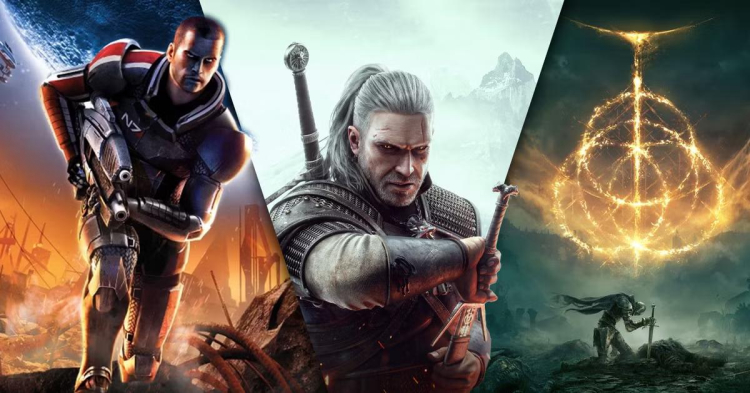
Psychologists explain this very simply: during long games, the brain gets used to constant goals, rewards, story progression, and emotional moments. When the game suddenly ends, that stimulation disappears, and the brain feels a kind of emotional drop.
In simple terms, you go from:
- Big world
- Story
- Characters
- Progress
- Goals
- Music
- Emotions
Back to normal daily routine and the contrast feels very strong.
Post-game depression shows how powerful video games have become as a form of storytelling and emotional experience. Modern games are no longer just entertainment, they are worlds players live in for dozens or hundreds of hours.
So next time someone says video games are “just games,” you can tell them that science now says finishing a great game can actually make people feel emotionally empty for a while.


 Det har lyckligt kopierats... Tack för att du delar vårt innehåll!:



5% insättningsbonus upp till 100 ädelstenar

0% avgifter på insättningar och uttag.





11% insättningsbonus + FreeSpin


EXTRA 10% INSÄTTNINGSBONUS + GRATIS 2 HJULSPINN

Gratis case och 100% välkomstbonus


5 gratisfodral, daglig gratis & bonus

3 gratis casinos och en bonus på 5% på alla kontantinsättningar.

+5% till insättning




Kommentarer