




Valve står inför stämning i New York för påstådda olagliga spel via loot boxes










 Valve
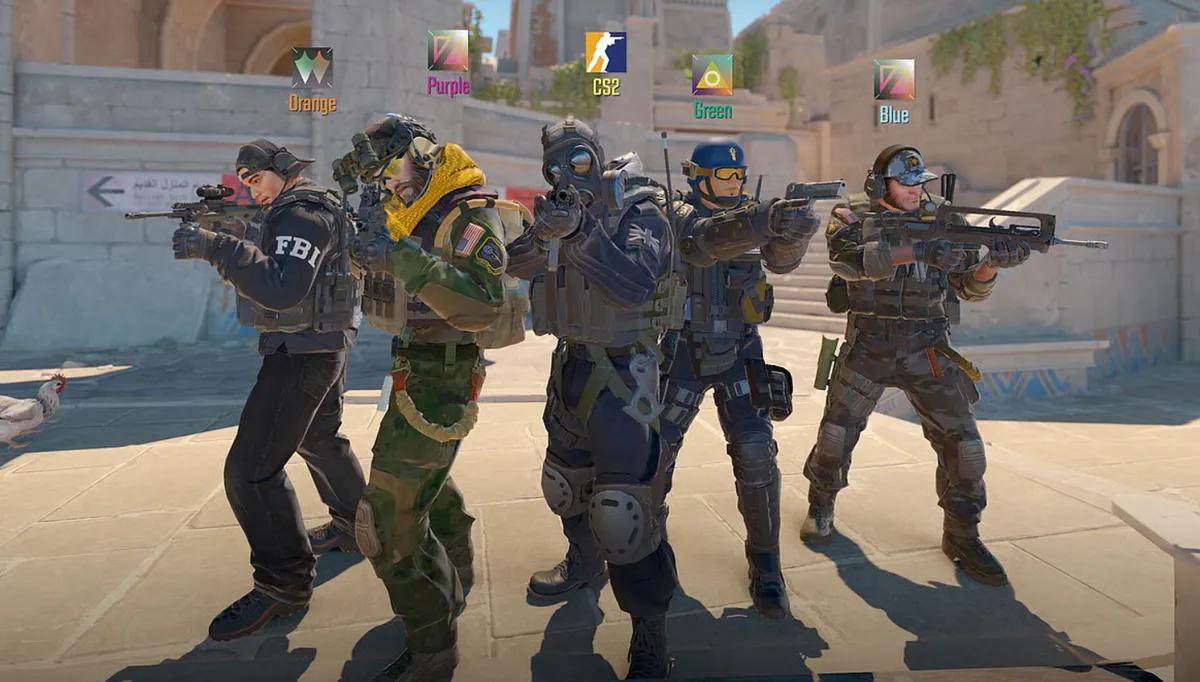
ValveNew York Attorney General Letitia James has sued Valve Corporation, alleging the video game developer promotes illegal gambling. The lawsuit, filed on February 25, 2026, claims that Valve’s popular games, including Counter-Strike 2, Team Fortress 2, and Dota 2, entice users, many of whom are teenagers or younger, to engage in gambling. The core of the Valve Illegal Gambling Lawsuit focuses on the in-game feature known as a “loot box,” which the Attorney General’s Office argues violates New York’s gambling laws and can lead to significant harm. The state seeks to permanently prevent Valve from using these features in its games and to require Valve to pay disgorgement and fines for its practices.
As we know, this legal action arrives amid increasing global scrutiny of loot box mechanics. Brazil has enacted a new law, effective in March 2026, that bans the sale of loot boxes to anyone under the age of 18, requiring developers to remove them from games that do not carry an 18+ rating. This follows a ruling from the US Federal Trade Commission against Genshin Impact publisher Cognosphere for misleading children with loot box odds, which also resulted in a ban on such purchases by teenagers without parental consent. These measures signal a growing international momentum to regulate the practice.
“Illegal gambling can be harmful and lead to serious addiction problems, especially for our young people. Valve has made billions of dollars by letting children and adults alike illegally gamble for the chance to win valuable virtual prizes. These features are addictive, harmful, and illegal, and my office is suing to stop Valve’s illegal conduct and protect New Yorkers.”
— Letitia James
The lawsuit describes the process of opening a loot box in Valve’s most popular game as resembling a slot machine, complete with an animated spinning wheel that lands on a specific prize. I do understand the mechanism they describe is based on users paying for a key or access to open a virtual container, revealing a randomly determined cosmetic item. These items, which include things like artistic skins for weapons or hats for a player's character, have no direct in-game functionality. Their value is derived from their rarity, with Valve intentionally setting the odds to make some items far harder to win than others. This scarcity has created a secondary market where items can be extremely valuable.
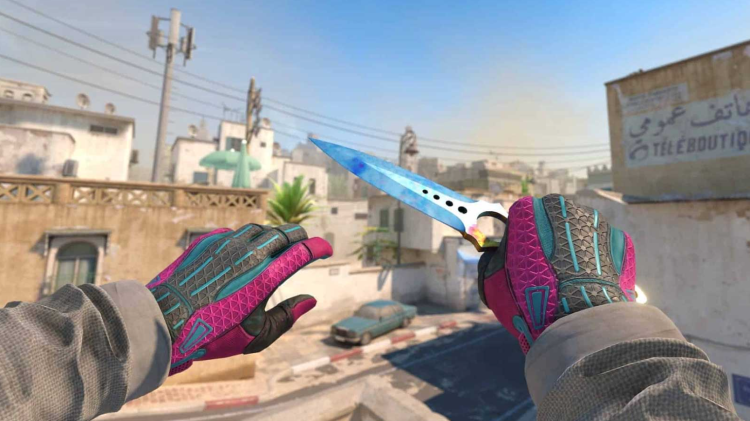
The value of these virtual items, particularly Counter-Strike’s skins, has increased significantly in recent years. This has attracted speculators and investors who see them as potentially profitable digital assets. In March 2025, reports indicated that the market for Counter-Strike skins had surpassed $4.3 billion. While many items sell for smaller amounts, the rarest can fetch thousands of dollars online. One report from June 2024 cited an AK-47 weapon skin selling for more than $1 million, highlighting the immense monetary value tied to these virtual goods.
Valve enables users to convert these virtual items into monetary value through two primary channels. Users can sell items on Valve’s own Steam Community Market, where the proceeds can be used to purchase other games, hardware, or virtual items on the platform. I see the second method involves connecting their Valve accounts to third-party marketplaces where items can be sold directly for cash. The Office of the Attorney General’s investigation found that Valve not only facilitates but also assists these third-party marketplaces in their operations, reinforcing the link between in-game items and real-world currency.
General requests made to Valve in the lawsuit:
- Permanently stop violating New York's gambling laws.
- Account for all money lost by consumers in New York.
- Provide full restitution and pay damages to affected consumers.
- Surrender all profits earned from the alleged illegal practices.
- Pay a fine equal to three times the amount gained from these practices.
- Cover all costs associated with the lawsuit.
The lawsuit filed in New York seeks specific and substantial relief from the court. The state is requesting a permanent injunction to stop Valve from violating New York laws, including statutes related to gambling. It also asks the court to direct Valve to produce an accounting of all money lost by consumers in New York due to these alleged illegal acts and to provide full restitution and damages. Furthermore, the state is asking for the disgorgement of all profits Valve made from these practices and for the company to pay a fine equivalent to three times the amount of its gain. The legal filing requests that Valve cover court costs and that the court grant any other relief it deems just and proper.
This legal matter is being handled by Assistant Attorneys General Marc Montgomery and Alexandra Hiatt, Senior Enforcement Counsel Jordan Adler, Bureau of Internet and Technology Chief Kim Berger, and Deputy Bureau Chief Clark Russell. The action is part of a broader series of efforts by Attorney General James to protect young people online, which includes championing the SAFE for Kids Act to restrict addictive social media feeds and leading lawsuits against platforms like Meta and TikTok over mental health harms. As of the time of the announcement, Valve Corporation had not issued a public response to the lawsuit.


 Det har lyckligt kopierats... Tack för att du delar vårt innehåll!:



5% insättningsbonus upp till 100 ädelstenar

0% avgifter på insättningar och uttag.





11% insättningsbonus + FreeSpin


EXTRA 10% INSÄTTNINGSBONUS + GRATIS 2 HJULSPINN

Gratis case och 100% välkomstbonus


5 gratisfodral, daglig gratis & bonus

3 gratis casinos och en bonus på 5% på alla kontantinsättningar.

+5% till insättning




Kommentarer