




Dota 2 förändrar MMR för alltid: Att vinna kan snart vara värt mer än att förlora










 Lappar
 Valve
ValveA major change is coming to Dota 2's ranked matchmaking system, and it could significantly reshape how players climb the competitive ladder. Beginning July 1, Valve is introducing an update that changes how MMR gains and losses work for many players, potentially making it easier to increase rank even without maintaining a positive win rate.
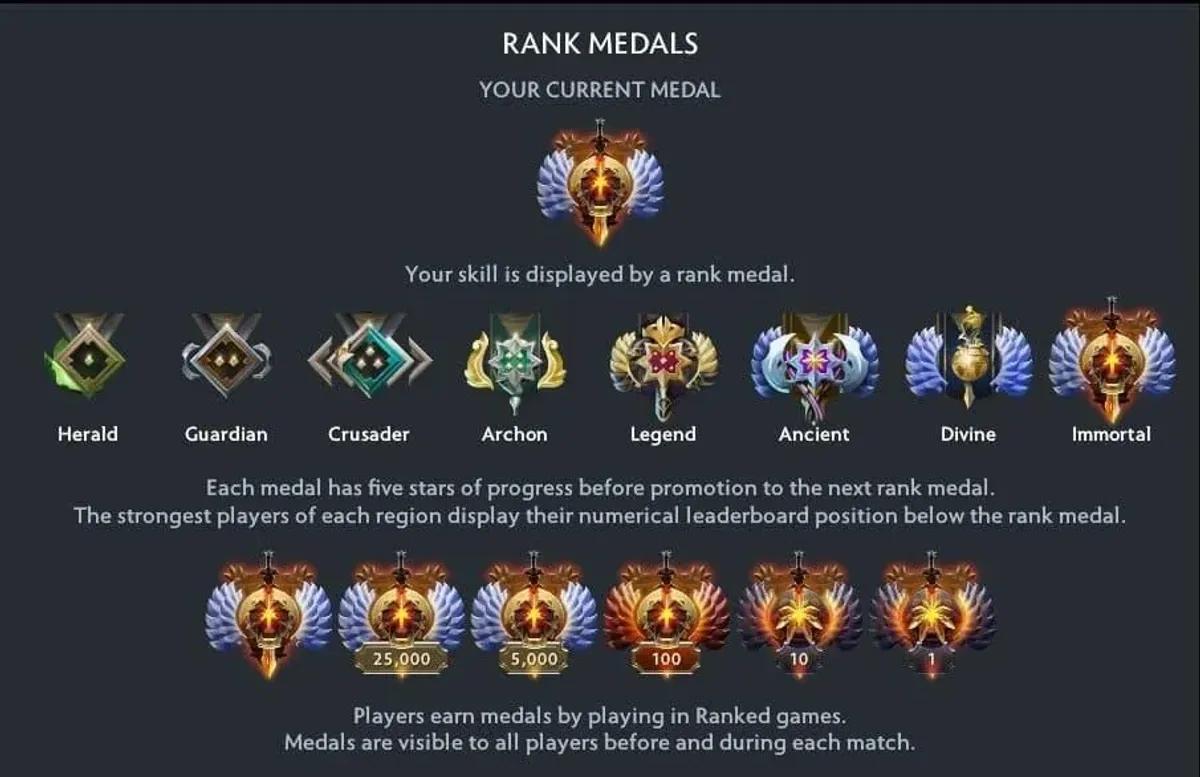
The new system is tied to Dota 2's Rank Confidence mechanic, a feature designed to measure how certain the matchmaking system is about a player's true skill level. Under the updated rules, players whose Rank Confidence remains below 97% may receive more MMR for a victory than they lose after a defeat.
At first glance, the adjustment appears intended to help players reach their appropriate skill bracket more quickly. If the matchmaking system is still uncertain about someone's actual level, rewarding victories more heavily than defeats allows players to move toward their "true" MMR faster. However, the update has already sparked intense debate within the community.
Many players believe the system could fundamentally change the meaning of ranked progression. If victories become more valuable than losses during the calibration phase, some argue that even players with relatively poor win rates - potentially around 40% - could slowly gain rating over time, provided their Rank Confidence remains below the threshold.
If that scenario plays out in practice, the overall distribution of MMR across the player base could gradually shift upward. More players would occupy higher ranks than before, potentially reducing the distinction between skill brackets that have traditionally represented meaningful differences in ability.
This possibility has raised concerns about MMR inflation, a phenomenon where rating numbers increase across the player base without reflecting an equivalent improvement in actual skill. Similar situations have occurred in other competitive games when ranking systems became more generous or introduced asymmetric reward structures.
Supporters of the change argue that the previous system often trapped improving players in inaccurate skill brackets for too long. Because every victory and defeat carried roughly equal weight, it sometimes required hundreds of matches before players reached the rating that truly reflected their current ability.
The updated model attempts to solve this by allowing faster adjustments whenever the system has low confidence in a player's ranking.
Valve has previously explained that Rank Confidence exists precisely because a player's displayed MMR is only an estimate. Early after recalibration - or following long breaks from ranked play - the system naturally has less information about a player's current performance. During this period, more aggressive MMR adjustments can help matchmaking become more accurate more quickly. Critics, however, worry that the feature may have unintended consequences.
If players discover ways to keep their Rank Confidence below 97% while continuing to gain more points for wins than they lose for defeats, ranked progression could become easier than originally intended. That, in turn, might increase the number of players reaching higher medals without consistently outperforming opponents at those levels. Another concern is matchmaking quality itself.

Ranked matchmaking relies on MMR accurately representing player skill. If ratings become inflated or calibration remains inaccurate for longer periods, matches could become more uneven. Players might encounter teammates whose displayed rank no longer reflects their real performance level, leading to more unpredictable and potentially frustrating games.
On the other hand, it's also possible that the system will function exactly as Valve intends. Because the bonus applies only while Rank Confidence remains below 97%, many players may quickly reach full confidence after enough matches, returning to a more traditional pattern of balanced MMR gains and losses.
In that case, the impact would primarily affect players who have recently recalibrated, returned after extended breaks, or have not yet played enough ranked games for the system to establish a reliable estimate of their skill.

The true effect of the update will only become clear once millions of ranked matches have been played under the new rules. Community analysts and statistics websites will likely begin tracking whether average MMR rises over time and whether matchmaking quality improves or declines as a result.
For now, one thing is certain: this is one of the most significant adjustments Valve has made to Dota 2's ranking system in recent years. Whether it creates a healthier competitive environment or leads to widespread MMR inflation remains to be seen, but players across every skill bracket will soon experience the new system firsthand as it goes live on July 1.


 Det har lyckligt kopierats... Tack för att du delar vårt innehåll!:



5% insättningsbonus upp till 100 ädelstenar

0% avgifter på insättningar och uttag.





11% insättningsbonus + FreeSpin


EXTRA 10% INSÄTTNINGSBONUS + GRATIS 2 HJULSPINN

Gratis case och 100% välkomstbonus


5 gratisfodral, daglig gratis & bonus

3 gratis casinos och en bonus på 5% på alla kontantinsättningar.

+5% till insättning




Kommentarer